Your Journey Starts here..
Become a Data Engineer

1.2K+ MEMBERS
Register Your Interest, and we will be in touch..
Your Journey Starts here..
Become a Data Engineer
1.2K+ MEMBERS
Register Your Interest, and we will be in touch..
Begin a New Adventure
Data Engineering Road Map
Starting out in data engineering can feel overwhelming, especially with the vast amount of information scattered across the internet. This roadmap is designed to cut through the noise, offering a clear, structured path from foundational knowledge to real-world readiness.
Rather than focusing on abstract theory, this roadmap emphasizes building real components of data engineering projects — the kind of work professionals handle every day. The goal is to develop practical, job-relevant skills that build gradually with each phase of learning.

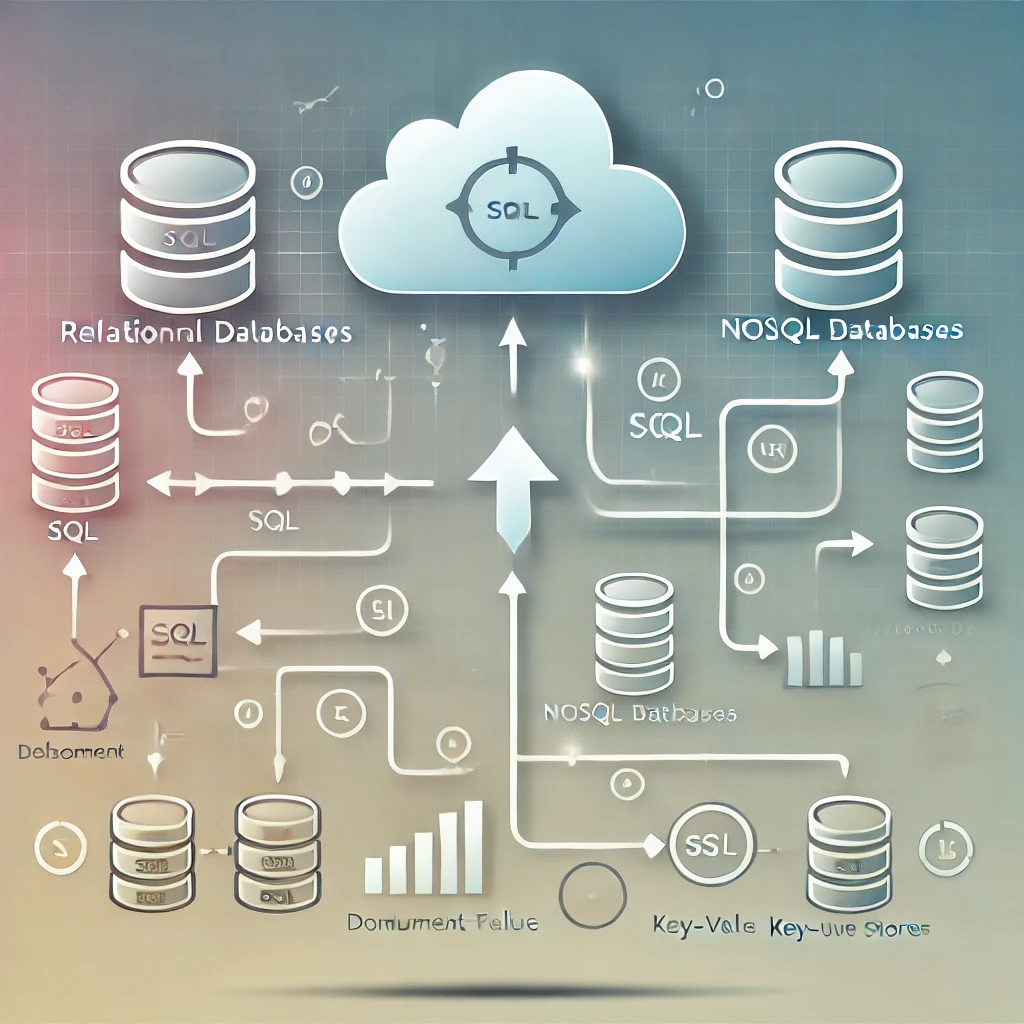
A solid foundation in data storage begins with understanding how databases work. This includes both relational databases (such as PostgreSQL or MySQL) and NoSQL databases (like MongoDB or Cassandra), along with when and why each type is used in real-world scenarios. Some key concepts to become familiar with include ACID Transactions, which ensure data reliability, and the CAP Theorem, which helps explain consistency, availability, and partition tolerance in distributed systems.
Next comes data modeling — the process of organizing data to meet business needs. At this stage, it’s helpful to take on a practical project, such as designing a schema for a bookstore, movie database, or e-commerce system.
With a solid understanding of how databases are structured, the next step is diving into SQL — the core language used to interact with data. This means progressing from basics like selecting, filtering, sorting, and joining data, to more advanced topics such as window functions, common table expressions (CTEs), stored procedures, and query optimization.
Each concept is best learned through examples and hands-on experimentation. To deepen your understanding, it helps to practice with real datasets, work through small projects, and tackle interview-style questions. This stage is essential for building the ability to write efficient queries and understand how data is retrieved and processed in real-world systems.

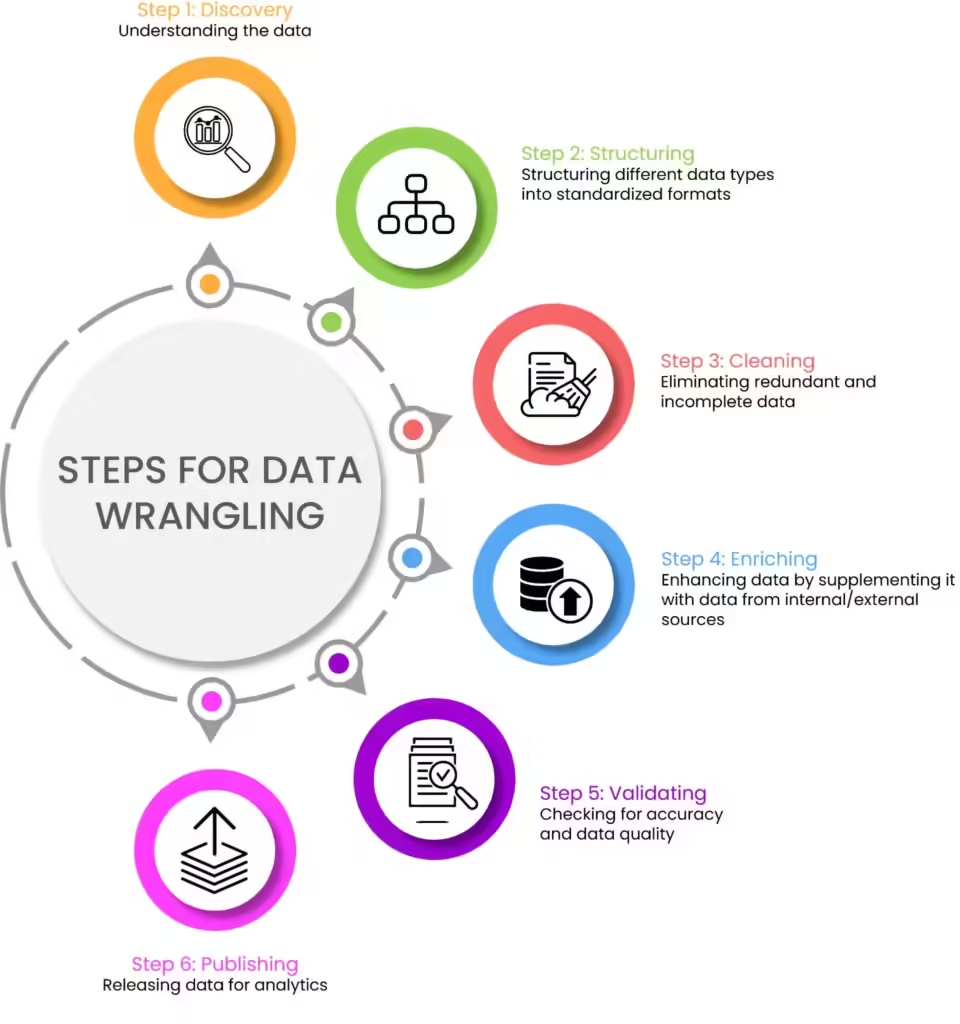
After building a strong foundation in SQL, the next step is learning how to manipulate and prepare data using Python. This includes using libraries like Pandas and NumPy to clean, transform, and reshape data effectively.
This phase is hands-on, involving real-world datasets and tackling complex transformations to prepare data for analysis or machine learning. Taking on a practical project with messy, real-life data helps solidify these skills and uncover meaningful insights through cleaning and restructuring.
Alongside data wrangling, understanding ETL (Extract, Transform, Load) processes is crucial. This includes automating workflows using tools like Apache Airflow, a powerful orchestration platform used to build scalable, scheduled data pipelines — a tool widely used across enterprises and startups.
At this stage, it’s time to bring everything together through a comprehensive capstone project. This should simulate the kinds of real-world challenges data engineers face: designing and building end-to-end data pipelines, integrating multiple data sources, ensuring data quality, and optimizing for performance and scalability. Choose a project that mirrors actual business needs — such as building a data warehouse, constructing batch or streaming pipelines, or working with cloud data platforms. This helps consolidate your skills across database design, ETL/ELT workflows, orchestration tools, and big data technologies.
The final focus is preparing for the job market. This includes crafting a clear resume and public profile that highlight your projects and technical skills, along with practicing technical interviews that test your coding, data manipulation, and problem-solving abilities.
Networking, understanding industry expectations, and staying up to date with modern tools are essential. Combining career skills with technical expertise will help you confidently navigate your transition into a data engineering role.
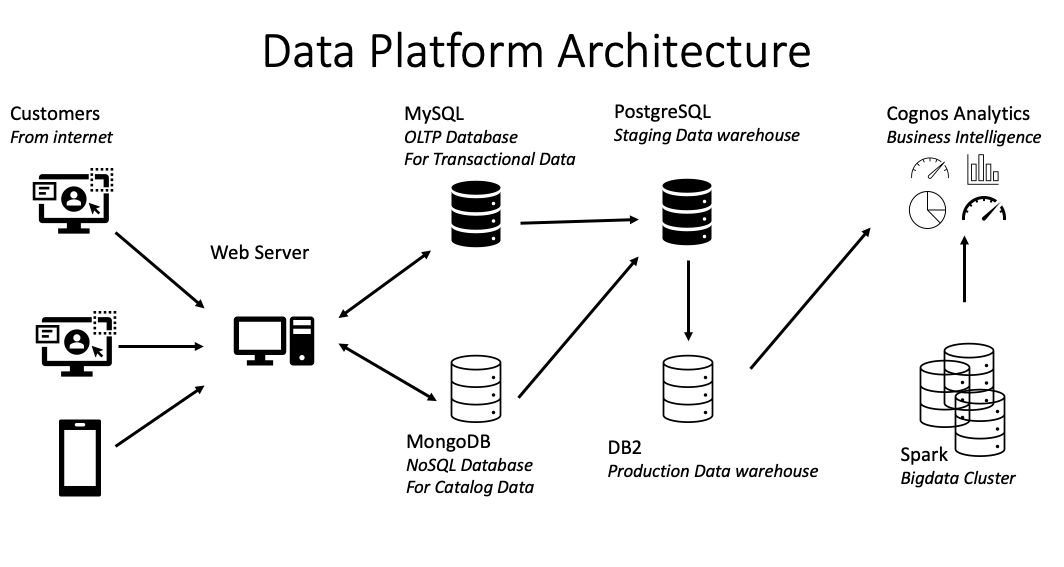

If you’re ready to take the first step, join Kiwilytics Data Engineering Course. Designed for fresh graduates and career shifters, this course will take you through the 2025 Data Engineering Roadmap with practical, real-life projects from Kiwilytics’ clients world-wide.
With a strong emphasis on learning by doing, you’ll gain the skills necessary to become a successful Data Engineer. From database management to ETL pipelines, and real-world projects; everything is covered. Plus, receive guidance on building a career, from resume tips to freelancing!
We taught Data Engineering to a number of Multinational Organisations and +1500 professionals, many of whom have since started their Data Engineering careers at top corporates, some of which have even joined us at Kiwilytics. The top course graduates might get invited to join Kiwilytics Data Internship when it is available. If you are keen to join our next Data Engineering course click “Join Now” to fill the interest form and you will be notified with our launch date and latest updates.
If you have any questions about the course, feel free to contact us at
academy@kiwi-lytics.com